
Well Water
Start With What’s Happening at Your Well
Every private well is different. Start with what is happening at the well, what the water is doing now, what equipment is already installed, and what has changed—not with a preset treatment package.
A well-water concern may not start with the equipment
First ask what changed in the well or water. Then look at the equipment.
What is happening at the well or water source?
What are you seeing, smelling, tasting, or noticing now—and when did it start?
What equipment is already installed, and is it still doing what it used to?
Common reasons people call us
What are you seeing, smelling, tasting, or noticing?
People usually contact us because the water changed, a concern keeps returning, or they want to confirm that an existing system still fits current conditions. Those details help us decide what to check next.
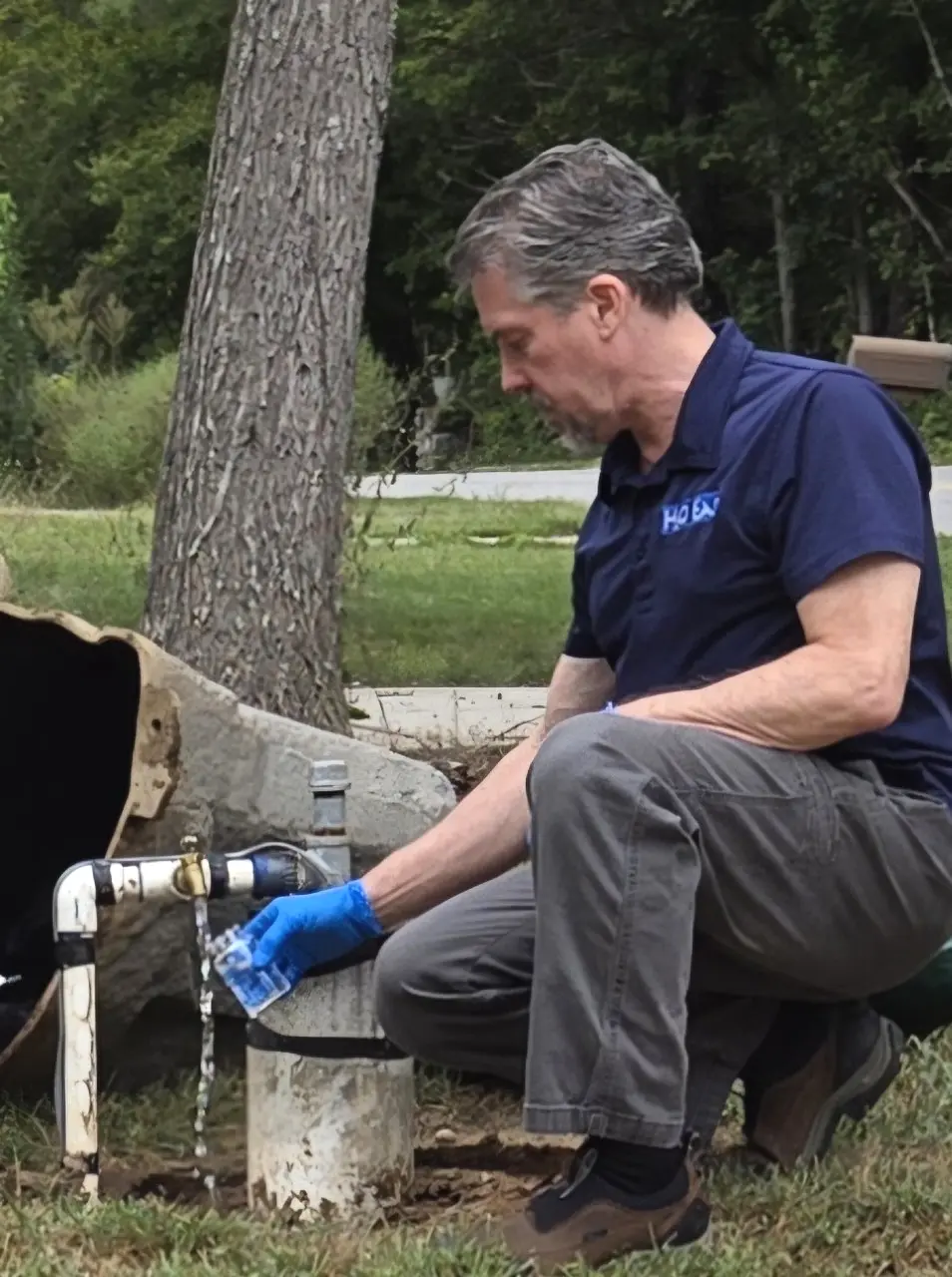
Well water testing
Understanding the water starts at the source.
A water sample can only tell part of the story. Where and how it was collected, what is happening at the well, and what has changed at the property all help us decide what to check next.
Request Water AnalysisWhy every well needs its own answer
The same symptom can have more than one cause.
Two wells near each other can behave differently. We look at the well history, test results, what you’re seeing now, and equipment already in place before recommending what to do.
What you know about the well and how it has behaved over time gives us a useful starting point.
Current test results and the changes you have noticed help show what is happening now.
The type, age, setup, and maintenance of equipment already installed can change the next step.
Past water conditions and service records can help show whether something is new, recurring, or changing over time.
WELL AVAILABILITY & DELIVERY
Well Performance Evaluation
Water quality is only one part of understanding a private well. H2O Easy can measure pump output, drawdown, recovery, and available well-bore storage to document how the well and pumping system perform under observed demand.